

Description
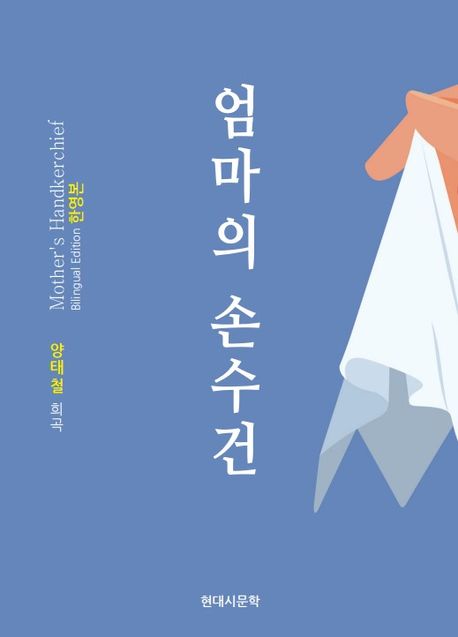
양태철 희곡 『엄마의 손수건』은 역사를 설명하려 들지 않는다. 이 희곡이 다루는 것은 사건의 원인도, 결과도 아니다. 총성과 명령이 지나간 뒤 아직 말이 되지 못한 숨결, 아직 기록되지 못한 얼굴들이다. 한 어머니가 손수건을 꺼낸다. 그것은 피를 지우기 위한 천이 아니라 이름을 다시 불러오기 위한 손길이다. 닦는다는 행위는 잊지 않겠다는 다짐이며, 기억을 살게 하는 가장 오래된 방식이다. 국가의 언어가 도달하지 못한 자리, 역사가 서둘러 덮어두었던 침묵의 틈에서 이 희곡은 묻는다. 인간을 남기는 일은 어떤 문장으로 가능한가. 『엄마의 손수건』은 이념 대신 체온을, 판결 대신 기억을 택한다. 말해지지 못한 시간을 다시 말하려 하지 않고, 그 곁에 조용히 앉아 사람의 얼굴을 닦아주는 문학이다. 가장 낮은 목소리로 가장 오래 남는 질문을 건네는 희곡. 그 질문은 지금도 여수와 순천의 바람 속에서 천천히 숨 쉬고 있다. Book Description (English) Tae-cheol Yang’s play Mother’s Handkerchief does not attempt to explain history. What it addresses is neither the causes nor the outcomes of an event. After the gunfire and the orders have passed, it turns to what has not yet become language— breath still unnamed, faces still unrecorded. A mother takes out a handkerchief. It is not a cloth for erasing blood, but a gesture for calling names back. To wipe is a vow not to forget, the oldest way of keeping memory alive. In the place where the language of the state cannot reach, in the gaps of silence that history hurriedly covered over, this play asks: by what kind of sentence can the human be preserved? Mother’s Handkerchief chooses warmth over ideology, memory over verdict. It does not try to speak again what was never allowed to be spoken. Instead, it sits quietly beside time and wipes the faces of people. A play that asks, in the lowest voice, the question that lasts the longest. That question still breathes, slowly, in the wind of Yeosu and Suncheon.