

소개
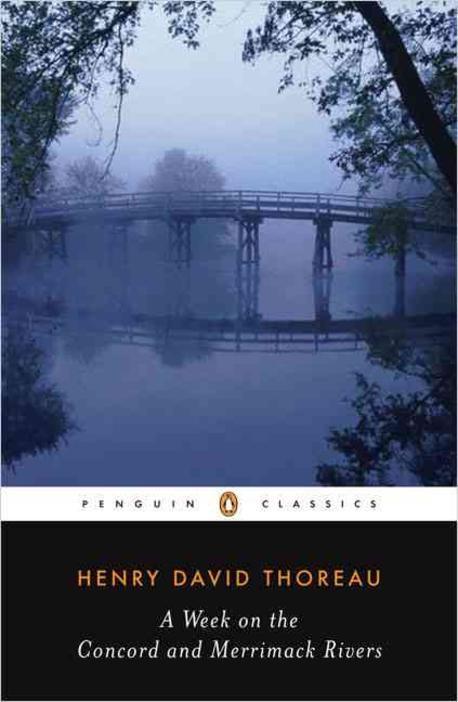
Thoreau's account of his 1830 boat trip weaves together travel writing, essays and lyrical poetry. Although it shares many of the themes in Thoreau's classic Walden, this is an alternative perspective on the relationship between nature and culture. Henry David Thoreau was born in Concord, Massachusetts in 1817. He graduated from Harvard in 1837, the same year he began his lifelong Journal. Inspired by Ralph Waldo Emerson, Thoreau became a key member of the Transcendentalist movement that included Margaret Fuller and Bronson Alcott. The Transcendentalists' faith in nature was tested by Thoreau between 1845 and 1847 when he lived for twenty-six months in a homemade hut at Walden Pond. While living at Walden, Thoreau worked on the two books published during his lifetime: Walden (1854) and A Week on the Concord and Merrimack Rivers (1849). Several of his other works, including The Maine Woods, Cape Cod, and Excursions, were published posthumously. Thoreau died in Concord, at the age of forty-four, in 1862. Carl Bode, professor emeritus of English/American Studies at the University of Maryland, is a freelance writer. Founder and first president of the American Studies Assocation, he is also past president of he Popular Culture Association and the Mencken Society. His books include The American Lyceum, Antebellum Culture, and Mencken. He has edited Collected Poems of Henry Thoreau and The Best of Thoreau's Journals; and has co-edited The Correspondence of Henry David Thoreau and, in collaboration with Malcolm Cowley, The Portable Emerson. Classic of American literature not only vividly narrates a boat trip Thoreau took with his brother in 1839 but also contains thought-provoking observations on literature, philosophy, Native American and Puritan histories of New England, friends, and a diversity of other topics. "A book of wonderful merit." -- Ralph Waldo Emerson In the late summer of 1839 Thoreau and his elder brother John made a two-week boat-and-hiking trip from Concord, Massachusetts, to the White Mountains of New Hampshire. After John's sudden death in 1842, Henry began to prepare a memorial account of their excursion. At Walden Pond he wrote two drafts of this story, which he continued to revise and expand until 1849, when he arranged for its publication at his own expense. The contemporary audience for A Week was troubled by its heterodoxy and apparent formlessness; but modern readers have come to see it as an appropriate predecessor to Walden, with Thoreau's story of a river journey actually depicting the early years of his spiritual and artistic growth. This is a pre-1923 historical reproduction that was curated for quality. Quality assurance was conducted on each of these books in an attempt to remove books with imperfections introduced by the digitization process. Though we have made best efforts - the books may have occasional errors that do not impede the reading experience. We believe this work is culturally important and have elected to bring the book back into print as part of our continuing commitment to the preservation of printed works worldwide.