



소개
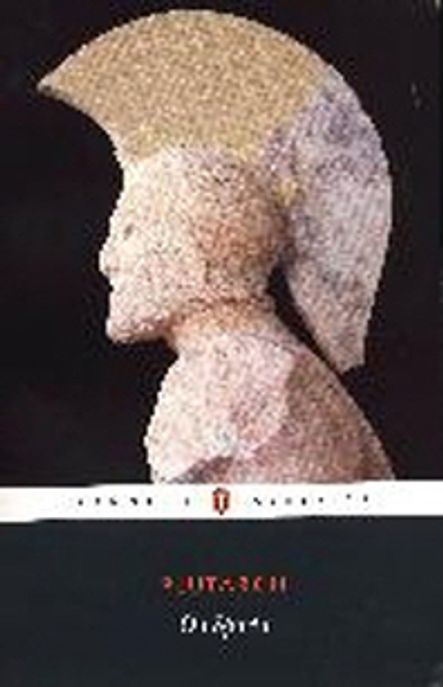
Richard J.A. Talbert's translation of four of Plutarch's biographies and his selection of Spartan 'Sayings' is accompanied by an introduction placing the works in their historical context, and 'Spartan Society' by Xenophon. Plutarch(c. 50?. 120 AD) was a writer and philosopher born in central Greece. Richard J. A Talbertis professor of history at the University of North Carolina at Chapel Hill. Christopher Pelling is professor of classics at Oxford University and a fellow of Christ Church. Plutarch(c. 50--c. 120 AD) was a writer and philosopher born in central Greece. Richard J. A Talbertis professor of history at the University of North Carolina at Chapel Hill. Christopher Pelling is professor of classics at Oxford University and a fellow of Christ Church. Plutarch's vivid and engaging portraits of the Spartans and their customs are a major source of our knowledge about the rise and fall of their remarkable Greek city-state between the sixth and third centuries BC. Through his Lives of Sparta's leaders and his recording of memorable Spartan Sayings, he depicts a people who lived frugally and mastered their emotions in all aspects of life, who disposed of unhealthy babies in a deep chasm, introduced a gruelling regimen of military training for boys, and treated their serfs brutally. Rich in anecdote and detail, Plutarch's writing brings to life the personalities and achievements of Sparta with unparalleled flair and humanity. Revised edition includes a new introduction , a new essay on Plutarch, notes, a glossary, updated further reading, and an index Includes four maps and a list of the kings of Sparta to 222 BC Plutarch's vivid and engaging portraits of the Spartans and their customs are a major source of our knowledge about the rise and fall of this remarkable Greek city-state between the sixth and third centuries BC. Through his Lives of Sparta's leaders and his recording of memorable Spartan Sayings he depicts a people who lived frugally and mastered their emotions in all aspects of life, who also disposed of unhealthy babies in a deep chasm, introduced a gruelling regime of military training for boys, and treated their serfs brutally. Rich in anecdote and detail, Plutarch's writing brings to life the personalities and achievements of Sparta with unparalleled flair and humanity. Plutarch? vivid and engaging portraits of the Spartans and their customs are a major source of our knowledge about the rise and fall of their remarkable Greek city-state between the sixth and third centuries BC. Through his Livesof Sparta? leaders and his recording of memorable Spartan Sayings, he depicts a people who lived frugally and mastered their emotions in all aspects of life, who disposed of unhealthy babies in a deep chasm, introduced a gruelling regimen of military training for boys, and treated their serfs brutally. Rich in anecdote and detail, Plutarch? writing brings to life the personalities and achievements of Sparta with unparalleled flair and humanity. Plutarch?? vivid and engaging portraits of the Spartans and their customs are a major source of our knowledge about the rise and fall of their remarkable Greek city-state between the sixth and third centuries BC. Through his Livesof Sparta?? leaders and his recording of memorable Spartan Sayings, he depicts a people who lived frugally and mastered their emotions in all aspects of life, who disposed of unhealthy babies in a deep chasm, introduced a gruelling regimen of military training for boys, and treated their serfs brutally. Rich in anecdote and detail, Plutarch?? writing brings to life the personalities and achievements of Sparta with unparalleled flair and humanity.