



소개
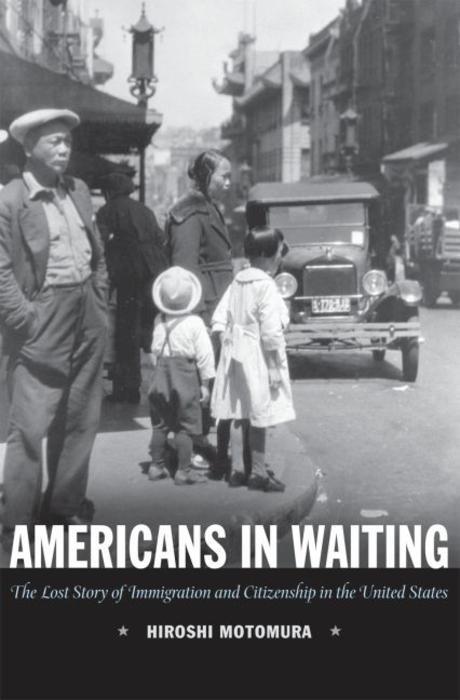
America is unquestionably a nation of immigrants. And yet throughout itshistory the practicalities of immigration have inspired more questions thanconsensus. Who should be admitted? What should the path to citizenship be?Despite national security concerns over enemies penetrating our borders, thenumber of foreign-born people living in the United States grew to 35 million in2005, an all-time high. A coherent and rational immigrant policy is morenecessary than ever.In Americans in Waiting, Hiroshi Motomura discovers in our national past asimple yet powerful approach to immigration and citizenship. Rewriting theconventional story, Motomura uncovers how for over 150 years, many immigrantswere immediately put on track to U.S. citizenship. They were eligible tohomestead land on the western frontier and entitled to overseas diplomaticprotection. Citizens-to-be were even allowed to vote. In sum, immigration wasassumed to be a transition to citizenship, and immigrants were futurecitizens-Americans in waiting.Once central to law and policy, this view has all but vanished. Beginning inthe early twentieth century, the United States began to treat its immigrants inone of two ways: as signatories to a "contract" that sets the terms of theirstay in this country, or as "affiliates" who can earn rights only as theybecome, over time, enmeshed in the nation's life. Immigration is now seen toooften as a problem to be solved, rather than a pillar of our nation's strength.A panoramic history of the past 200 years of immigration and citizenship in theUnited States, Americans in Waiting offers a clear lesson: only by recoveringthis lost of history of immigration can we ensure that both current and futurecitizens share in the sense of belonging that is crucial to full participationin American life.