

소개
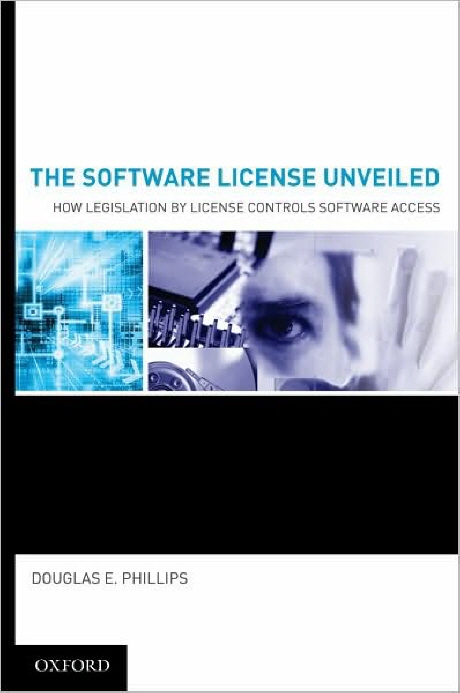
It is an accepted fact that millions of computer users regularly bind themselves to software agreements with the click of a mouse, usually without reading anything but the word "agree." Such agreements are subject not only to intellectual property law, but also to the private contractual law of the license, which comes in many forms, each with its advocates. Microsoft, for example, maintains that its proprietary model gives users the rights they need while creating the incentives that have made the United States the global software leader, while Richard Stallman - creator of the General Public License and author of a number of free software programs - holds forth that proprietary licensing enables software companies to "hoard" software they should be sharing. In The Software License Unveiled, Douglas Phillips looks at both of these extremes and questions how these proliferating but largely unread licenses affect access to software, one of the economy's most valuable resources. While highlighting the obvious divergences, he makes the more illuminating case that most current models - spanning the spectrum from proprietary to free - have one key feature in common: to an increasing extent, each license model extends, modifies, or displaces intellectual property law that would otherwise apply. In effect, Phillips reframes the debate around open source to propose that going forward a key challenge for lawyers, scholars, policymakers, and the public is to consider whether "legislation by license" should be the means for controlling software access.