



소개
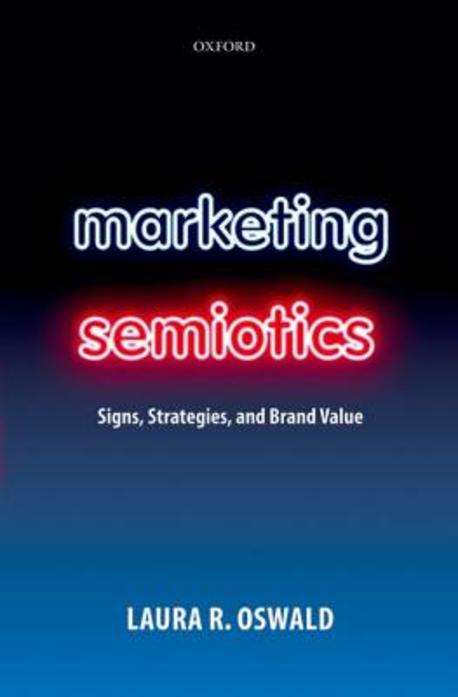
A discussion of the concept of brand equity and its impact on the financial performance of a company through analysis of the 'semiotics' of the brand and its sign systems. Including case studies, it provides an actionable strategy for steering brands through internal and external changes and pressures. Laura Oswald, Ph.D. is founder and director of Marketing Semiotics Inc. Dr Oswald is an expert in the areas of brand strategy, consumer research, and semiotics - a social science discipline that examines brands and advertising in the framework of cultural signs and meanings. She conducts consumer studies in a variety of formats, including focus groups, in-depth interviews, and on-site ethnographies in North America, Europe, Singapore, and the People's Republic of China. Her research and consulting practice encompass a variety of application areas, from luxury goods to automotive and healthcare. In addition to consulting, Laura writes and teaches on current issues in advertising, consumer research, and strategy at meetings of theAssociation for Consumer Research, the American Marketing Association, the Qualitative Research Consultants Association, and theAmerican SociologicalAssociation. Everyday consumers buy into the concept of brands and their associated meanings--the perception of quality, a symbolic relationship, a vicarious experience, or even a sense of identity.Marketing Semioticssuggests that the extent to which consumers recognize, internalize, and relate to brand meanings is not only an academic question. These meanings contribute to "brand equity", the financial value of intangible brand benefits that exceed the use value of goods, and impacts upon a firm's financial performance. Therefore, the management of brand equity demands first and foremost the management of brand meanings, or semiotics. The book uses structural semiotics, a discipline that extends the laws of structural linguistics to the analysis of verbal, visual, and spatial sign systems, to shed light on the cultural codes and discourse of brands. It proposes that semiotic research should form the cornerstone of brand equity management, since brands rely so heavily on sign systems that contribute to profitability by distinguishing brands from simple commodities, from competitors, and engaging consumers in the brand world. The book includes dozens of global business cases where semiotics has been used to refocus, reposition, or extend the brand to new products, customers, and markets. Drawing upon twenty years of academic and consulting experience, the book provides actionable direction for steering brands through technological and cultural change, differentiating brands in the competitive environment, and counteracting the natural depletion of brand meaning over time.