

소개
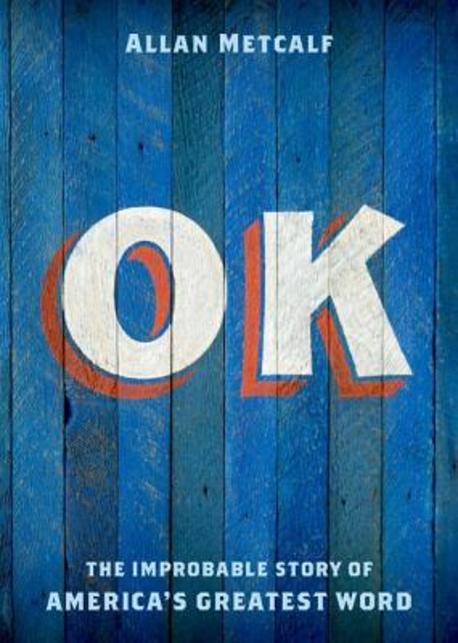
It is said to be the most frequently spoken (or typed) word on the planet, more common than an infant's first word ma or the ever-present beverage Coke. It is 'OK' - the most ubiquitous and invisible of American expressions. This book traces the evolution of America's most popular word. Allan Metcalf is Professor of English at MacMurray College. Allan Metcalf is Professor of English at MacMurray College and Executive Secretary of the American Dialect Society. He is the author of many other books on language, including most recently Presidential Voices: Speaking Styles from George Washington to George W. Bush (2004). He participates inthe "Lingua Franca" blog of the Chronicle of Higher Education. Allan Metcalfis Professor of English at MacMurray College and Executive Secretary of the American Dialect Society. He is the author of many other books on language, including most recentlyPresidential Voices: Speaking Styles from George Washington to George W. Bush(2004). He participates in the "Lingua Franca" blog of the Chronicle of Higher Education. It is said to be the most frequently spoken (or typed) word on the planet, more common than an infant's first word ma or the ever-present beverage Coke. It was even the first word spoken on the moon. It is "OK"--the most ubiquitous and invisible of American expressions, one used countless times every day. Yet few of us know the hidden history of OK--how it was coined, what it stood for, and the amazing extent of its influence. Allan Metcalf, a renowned popular writer on language, here traces the evolution of America's most popular word, writing with brevity and wit, and ranging across American history with colorful portraits of the nooks and crannies in which OK survived and prospered. He describes how OK was born as a lame joke in a newspaper article in 1839--used as a supposedly humorous abbreviation for "oll korrect" (ie, "all correct")--but should have died a quick death, as most clever coinages do. But OKwas swept along in a nineteenth-century fad for abbreviations, was appropriated by a presidential campaign (one of the candidates being called "Old Kinderhook"), and finally was picked up by operators of the telegraph. Over the next century and a half, it established a firm toehold in the Americanlexicon, and eventually became embedded in pop culture, from the "I'm OK, You're OK" of 1970's transactional analysis, to Ned Flanders' absurd "Okeley Dokeley!" Indeed, OK became emblematic of a uniquely American attitude, and is one of our most successful global exports. "An appealing and informative history of OK."--Washington Post Book World"After reading Metcalf's book, it's easy to accept his claim that OK is 'America's greatest word.'"--Erin McKean, Boston Globe"Entertaininga treat for logophiles." --Kirkus Reviews"Metcalf makes you acutely aware of how ubiquitous and vital the word has become."--Jeremy McCarter, Newsweek It is said to be the most frequently spoken (or typed) word on the planet, more common than an infant's first wordmaor the ever-present beverageCoke. It was even the first word spoken on the moon. It is "OK"-- the most ubiquitous and invisible of American expressions, one used countless times every day. Yet few of us know the secret history of OK--how it was coined, what it stood for, and the amazing extent of its influence. Allan Metcalf, a renowned popular writer on language, here traces the evolution of America's most popular word, writing with brevity and wit, and ranging across American history with colorful portraits of the nooks and crannies in which OK survived and prospered. He describes how OK was born as a lame joke in a newspaper article in 1839--used as a supposedly humorous abbreviation for "oll korrect" (ie, "all correct")--but should have died a quick death, as most clever coinages do. But OK was swept along in a nineteenth-century fad for abbreviations, was appropriated by a presidential campaign (one of the candidates being called "Old Kinderhook"), and finally was picked up by operators of the telegraph. Over the next century and a half, it established a firm toehold in the American lexicon, and eventually became embedded in pop culture, from the "I'm OK, You're OK" of 1970's transactional analysis, to Ned Flanders' absurd "Okeley Dokeley!" Indeed, OK became emblematic of a uniquely American attitude, and is one of our most successful global exports. Anyone who loves the life of words or the quirky corners of American culture will find this delightful book more than just OK. "Metcalf has produced a complete and completely entertaining history of the most American of all expressions. More than 'just OK' -- revelatory and engrossing."--Erin McKean, CEO of wordnik.com, author ofWeird and Wonderful Words,More Weird and Wonderful Words, and former Editor-in-Chief, Oxford American Dictionaries "Metcalf has written an appealing and informative history of OK" --Washington Post Book World "Fun and educational!"--Language Hat "Have a look at Professor Metcalf's book yourself. It's worth your time." --You Don't Say "I think you'll find the yarn Metcalf spins to be far better than OK...So get this book, OK? If you love words, history, or Americana, you'll find it fascinating." --Mark Peters,Good Metcalf traces the history of "OK" from its unusual birth as a jokey mis-transcribing of "all correct" in the 19th century, its rapid growth in various facets of American life, and its success overseas as the English word that all non-Americans know.