

소개
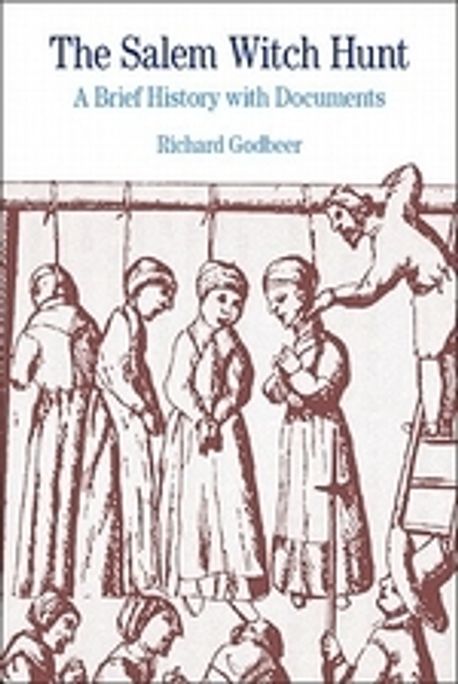
The Salem witch trials stand as one of the infamous moments in colonial American history. The introduction explores the beliefs, fears and events that fueled the witch panic of 1692. The documents in this collection illuminate how the Puritans' worldview led them to seek a supernatural explanation for the problems vexing their community. RICHARD GODBEER(Ph.D., Brandeis University) is professor of history at the University of Miami. Godbeer's research and teaching interests center on colonial and revolutionary America, with an emphasis on religious culture, gender studies, and the history of sexuality. His first book,The Devil's Dominion: Magic and Religion in Early New England(1992) won the American Historical Association Pacific Coast Branch Award for the Best First Book. He is also the author ofSexual Revolution in Early America(2002),Escaping Salem: The Other Witch Hunt of 1692(2004), andThe Overflowing of Friendship: Love Between Men and the Creation of the American Republic(2009). An excellent introduction to the ideas and events that led to Salem witch trials and the essential primary documents to help make sense of why the trials happened as they did. The Salem witch trials stand as one of the infamous moments in colonial American history. More than 150 people -- primarily women -- from 24 communities were charged with witchcraft; 19 were hanged and others died in prison. In his introduction to this compact yet comprehensive volume, Richard Godbeer explores the beliefs, fears, and historical context that fueled the witch panic of 1692. The documents in this collection illuminate how the Puritans' worldview led them to seek a supernatural explanation for the problems vexing their community. Presented as case studies, the carefully chosen records from several specific trials offer a clear picture of the gender norms and social tensions that underlie the witchcraft accusations. The final documents cover recantations of confessions, the aftermath of the witch hunt, and statements of regret. A chronology of the witchcraft crisis, questions for consideration, and a selected bibliography round out the book's pedagogical support.