



소개
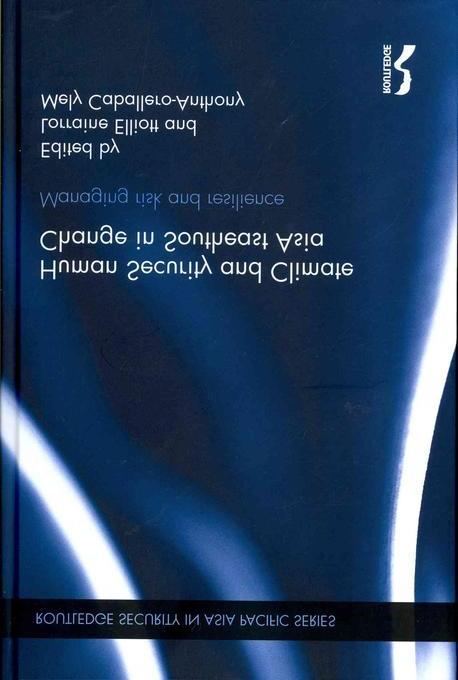
The contributors discuss the threats posed by climate change to human security in Southeast Asia, exploring the multi-faceted likely impact and consequences. It includes an examination of the consequences of environmental change, the impact on community rights and access, and the special problem of border areas. Lorraine Elliott is Professor of International Relations at the Australian National University, Canberra and Visiting Senior Fellow at the Centre for Non-Traditional Security Studies at the S Rajaratnam School of Strategic and International Studies, Nanyang Technological University, SingaporeMely Caballero-Anthony is Associate Professor in and Head of the Centre for Non-Traditional Security Studies at the S Rajaratnam School of Strategic and International Studies, Nanyang Technological University, Singapore Climate Change is recognised as having the potential to cause major economic and social disruption. In addition, less widely recognised, are the challenges posed to human security and the need to build social resilience through adaptation strategies. This book discusses the threats posed by climate change to human security in Southeast Asia, exploring the multi-faceted likely impact and consequences. It includes an examination of the consequences of environmental change, the impact on community rights and access, and the special problem of border areas; and investigates the methods for assessing risks, and the policies for enabling adaptation and social resilience. This book discusses the threats posed by climate change to human security in Southeast Asia, exploring the multi-faceted likely impact and consequences. It includes an examination of the consequences of environmental change, the impact on community rights and access, and the special problem of border areas; and investigates the methods for assessing risks, and the policies for enabling adaptation and social resilience. This book makes an important and timely contribution to debates about the relationship between climate change and security in Southeast Asia. It does so through a human security lens, drawing on local and regional expertise to discuss the threats that climate change poses to human security in Southeast Asia and to show how a human security approach draws attention to the importance of adaptation and strategies for social resilience. In doing so, it exposes the consequences of climate change, the impact on community rights and access, the special problem of border areas, before going on to investigate local and regional strategies for addressing the human security challenges of climate change.