

소개
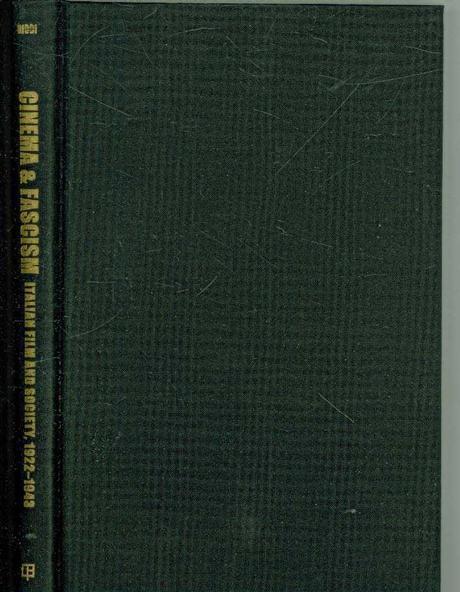
This study considers Italian filmmaking during the fascist era and offers an original and revealing approach to the interwar years. Steven Ricci directly confronts a long-standing dilemma faced by cultural historians: while made during a period of totalitarian government, these films are neither propagandistic nor openly "fascist." Instead, the Italian fascist regime attempted to build ideological consensus by erasing markers of class and regional difference and by circulating terms for an imaginary national identity by recycling themes of Roman antiquity and the Italian Renaissance. Historical memory of fascist culture has been repressed for decades.Cinema and Fascisminvestigates the causes of that historical amnesia and explains the complex relationship between the totalitarian regime and Italian cinema, which, when the fascists came to power in 1922, was in steep decline. Once the regime consolidated its political authority, it rebuilt the feature film industry through tax incentives and dubbing practices and by building the world's most advanced production studio, Cinecittagrave;. While fascism produced relatively few propaganda features, the period's cinema transformed the public sphere and contributed to the state's attempt to forge a singular national identity. This book looks at the films themselves, the industry, and the role of cinema in daily life.Cinema and Fascismoffers new insights to this important but neglected period in cinema history.