



소개
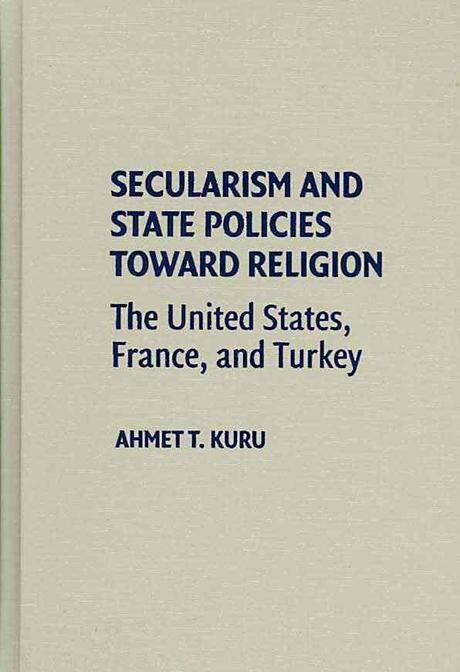
Why do secular states pursue different policies toward religion? This book examines the impact of ideological struggles on the public policy making process. More specifically, it analyzes why American state policies are largely tolerant of religion, whereas French and Turkish policies generally prohibit its public visibility, as seen in their bans on Muslim headscarves. In the United States, the dominant ideology is 'passive secularism', which requires the state to play a passive role, to be neutral toward religions and non-religion. Dominant ideology in France and Turkey is 'assertive secularism', which demands that the state play an assertive role in excluding religion from the public sphere. In these cases, passive or assertive secularism became dominant through particular historical processes, particularly the presence or absence of an ancien rgime based on the marriage between monarchy and hegemonic religion during state-building periods. It also provides an index of state-religion regimes for 197 countries.