

소개
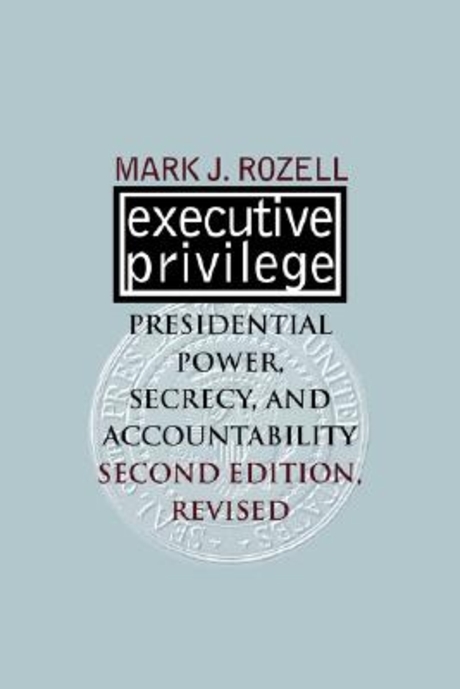
With the ghost of Watergate still haunting our political conscience, one might expect American presidents to hesitate before invoking executive privilege. But in the wake of the Clinton impeachment and with the onset of the Bush years, we are again confronted with the questionable exercise of presidential prerogatives. Mark Rozell's Executive Privilege has provided for the past decade an in-depth review of the historical exercise of executive privilege and an analysis of the proper scope and limits of presidential power. Now Rozell has updated this important work to cover two new presidents and show how both have revived the national debate over executive privilege. Rozell takes a balanced approach to a subject mired in controversy, providing both a historical overview of the doctrine and an explanation of its importance in the American political process. Exercised as far back as George Washington, executive privilege caught modern America's attention with Nixon's abuses of power. Although itis viewed by many as undemocratic -- or even a "constitutional myth" -- Rozell argues that executive privilege not only derives from the Constitution but, if prudently used, even supports the president's efforts in constructing and implementing policy. This new edition features a substantial new chapter on the Clinton and Bush presidencies, as well as textual revisions throughout that reflect the author's latest analysis of the proper scope of executive privilege, given the numerous secrecy controversies of the past decade. Rozell reviews Bill Clinton's resistance to numerous congressional and grand jury investigations and he assesses George W. Bush's proclivity for secrecy. Rozell explainshow each of these presidents has sparked controversy over attempts to revive executive privilege -- in the process doing significant damage to this constitutional principle. He also addresses the potential roles and influence