



소개
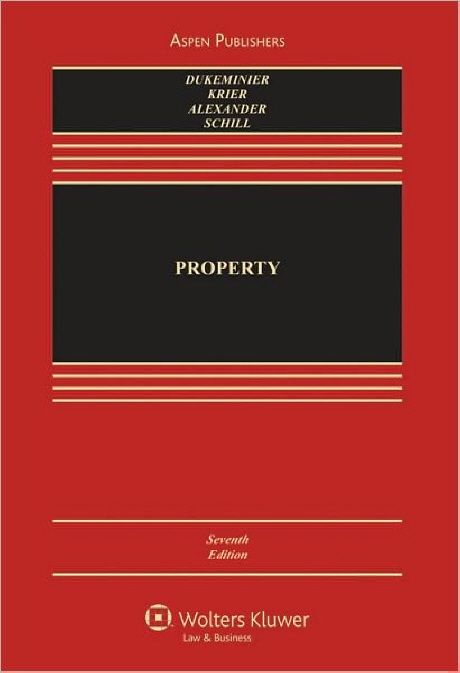
This highly respected and widely used casebook - long recognized by both students and instructors as one of the best available for any course - continues to offer a dynamic and distinctive introduction to the law of property. Carefully preserving the excellent foundation created by original authors the late Jesse Dukeminier and James Krier, PROPERTY, Sixth Edition, incorporates a wealth of new material. What makes PROPERTY such an ideal casebook? - a unique blend of wit, erudition, insight, and playfulness - engaging structure that encompasses cases, text, questions, problems, visual illustrations, and examples - modular organization makes the book highly adaptable to a range of syllabi and equally well suited for use in property courses with different emphases and credit hours - distinctive sense of humor and human-interest perspective - comprehensive coverage of property topics, including in-depth treatment of estates and future interests, servitudes, and land-use controls - cases are enhanced and connected to broader legal principles by well-written notes, questions, and problems - the authors employ an accessible 'economic lens' as a tool for thinking critically about property - with the caveat that 'the economics in the book can be managed easily... even by the totally uninitiated; it can also be ignored or even scorned.' - extensive Teacher's Manual that answers every question and problem in the casebook, provides brief comments, and offers deeper analysis and observations Changes for the Sixth Edition reflect meticulous updating: - James Krier is joined by new coauthors Gregory Alexander and Michael Schill in integrating new developments while carefully retaining the distinctive character of this highly successful casebook - Intellectual Property materials are substantially revised to incorporate cases recommended by users and decrease the emphasis on cyberspace - the Takings chapter is fully updated with new developments and recent Supreme Court cases, including Tahoe Sierra and Kelo v. New London - chapters on Estates and Future Interests are shortened by deleting older materials on the Rule Against Perpetuities (RAP) and adding newer materials on the RAP and Dynastic Trusts - real estate transaction coverage is enhanced by: a shorter, more up-to-date description of a typical transaction; an updated sales contract; a new section on brokers with a case on broker fiduciary duty; new text on multiple listing services, antitrust implications, and broker commissions; e-signatures and the statute of frauds; remedies for breach of real estate sales contracts, including two new cases on the calculation of damages, rescission, and retention of deposit; and new emphasis on how the law of real property differs from the law of contracts and the UCC - prudent trimming of the materials on Equitable Servitudes, particularly on touch and concern and vertical privity requirements - for professors who prefer to devote less time to future interests, a new, optional 'short form' version appears in the completely updated Teacher's Manual Visit the companion website for Property, Sixth Edition, where you can find more information about the book and authors Widely regarded as one of the best casebooks available for any law school course, Property, now in its Seventh Edition, combines a traditional doctrinal approach with wit, erudition, and an engaging human-interest perspective that make teaching and learning Property Law a great pleasure. Admired for generations, his landmark casebook features: a dynamic yet traditional pedagogy that includes cases, text, questions, problems, visual illustrations, and vibrant examples a flexible, modular organization that allows the book to easily adapt to a range of syllabi and course credit hours comprehensive coverage that encompasses the full range of property topics, with in-depth treatments of estates and future interests, servitudes, and land-use controls cartoons and photographs that present humorous asides and visual commentary at appropriate intervals within the text an accessible and unobtrusive economic lens for critically thinking about property issues www.dukeminier-property.com, a substantial companion website for adopters and their students that features videos, photos, links, and other online resources providing additional background, illustrations, and explanations of the materials covered in the casebook; icons placed throughout the casebook indicate that the website contains information of interest to the particular material an excellent and detailed Teacher s Manual that briefs every principal case and reading in the book, answers every question and problem in the book, and provides the authors analyses and observations regarding the material at hand Updated throughout, the Seventh Edition provides: major changes to the proposed new Restatement (Third) of Property highlighted, to simplify the system of estates and future interests additional visual aids and problems in the estates and future interests chapters a fresh look at marital property law, including the recent gay marriage case from the Iowa Supreme Court simplified coverage of servitudes, particularly covenants and equitable servitudes new signposts in every chapter that link topics in the casebook to sources on the website recent developments in the law governing the landlord-tenant relationship in government-assisted housing a timely view of the mortgage crisis and changes in real estate financing streamlined coverage of zoning flexibility a new case and material on Religious Land Use and the Institutionalized Persons Act updates in land use regulation, environmental law, climate change, and smart growth icons added throughout the text to indicate which materials have online counterparts on the companion website, www.dukeminier-property.com An iconic book with a contemporary feel, Property, Seventh Edition, resonates with the late Jesse Dukeminier s original wit and wisdom. New co-authors Gregory Alexander and Michael Schill keep it fresh, sharp, and up to date with this thoughtful and thorough revision.