

소개
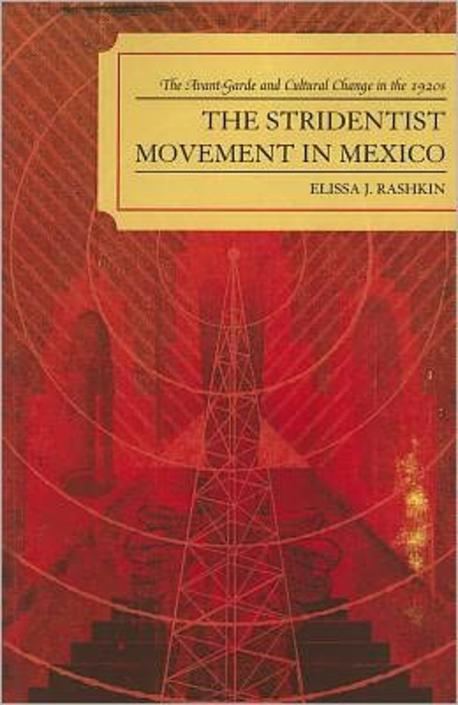
In the aftermath of the Mexican Revolution, Stridentism (estridentismo) burst on the scene in the 1920s as an avant-garde challenge to political and intellectual complacency. Led by poets Manuel Maples Arce, Germ?n List Arzubide, and Salvador Gallardo; prose writer Arqueles Vela; painters Ferm?n Revueltas, Ram?n Alva de la Canal, Leopoldo M?ndez, and Jean Charlot; and sculptor Germ?n Cueto, the Stridentists rejected academic conservatism, celebrated modernity and technological novelties such as the radio, cinema, and the airplane, and sought to transform not only written and visual language but also everyday life through the creation of new aesthetic spaces and new approaches to the urban environment. By 1928 the movement had dispersed, but its iconoclastic spirit lived on in other forms, merging into and influencing other movements of the 1930s and beyond. This history of Stridentism as a multifaceted cultural phenomenon joyfully recreates the spirit of 1920s Mexico. Bringing together original research and critical analysis, it explores the ways in which the Stridentists pushed the limits of the collective imagination in an era of conflict and change.