



소개
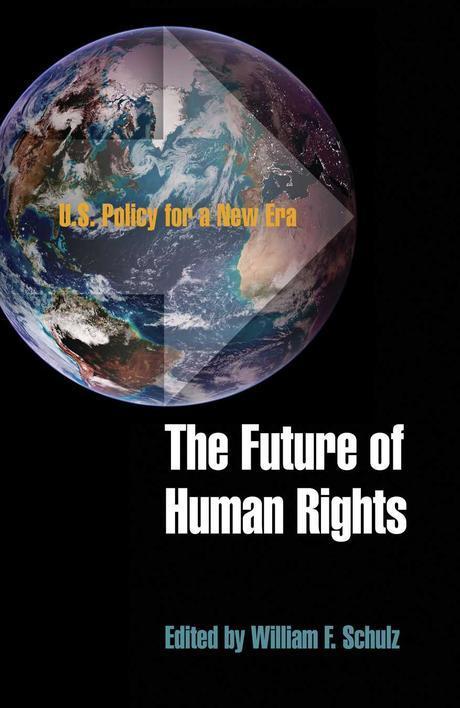
In the introduction to The Future of Human Rights, William F. Schulz laments that U.S. foreign policy, "so buoyant at the end of the Cold War, has returned to earth with a thud over the past few years. Among its crash victims has been American leadership in the struggle for human rights." Although countless books have decried the impact of neoconservatism on America's standing in the world, far fewer have examined how the adherents to that movement, including those in the Bush administration, have damaged human rights themselves. The administration used human rights as a justification for invading Iraq only after no weapons of mass destruction were discovered. But, according to Schulz, it seems likely that the WMDs and terror links were rationalizations of the wish to topple a regime for other reasons. The extent to which the damage sustained over the past few years is the result of misappropriated principles may be debated, but the tragic result is that the United States has been handicapped in providing crucial human rights leadership--especially where such leadership is desperately needed. The thirteen essays in this volume, by such notable scholars and activists as Philip Alston, Rachel Kleinfeld, George Lopez, John Shattuck, and Deborah Spar, provide thematic assessments of the current state of global human rights programs as well as prescriptions for once again making the United States a respected and forceful proponent of human rights. Topics include democracy promotion, women's rights, refugee policy, religious freedom, labor standards, and economic, social, and cultural rights, among many others. Taken together, the essays converge on one overarching point: to attract the widest support, the U.S. commitment to universal human rights should be presented as reflecting the best of the American tradition.