

소개
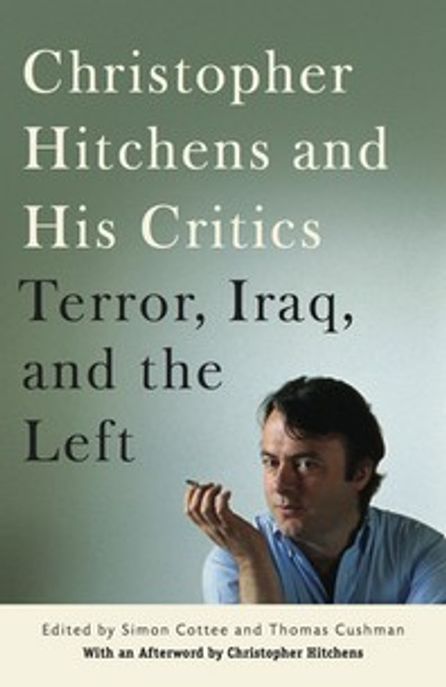
This title features a selection of commentaries on Christopher Hitchens' work from his former leftist comrades. It also offers a set of exchanges between Hitchens and various left-leaning interlocutors. Thomas Cushmanis Professor of Sociology at Wellesley College in Massachusetts and the founder and editor-at-large of theJournal of Human Rights. He has written or edited numerous books, includingGeorge Orwell Into the 21st Century,A Matter of Principle: Humanitarian Arguments for War in Iraq, andThis Time We Knew: Western Responses to Genocide in Bosnia(NYU Press). "The controversial pundit dishes out and takes punishment in this anthology of rancorous essays by him and the leftist comrades he abandoned to embrace the invasion of Iraqa]There's red meat aplenty for pro- and anti- Hitchens readersa]" --"Publishers Weekly" aHitchensas style is so dazzling it is easy to forget that it is rooted in a solid belief in secularism, feminism, and reason. These are the core principles of the Left and we have no choice but to defend them. As they are assaulted by psychopathic Islamistsabroad and betrayed by empty headed phonies at home, it is good to know that Hitchens is on our side.a --Nick Cohen, columnist, "The Observer" aCottee and Cushman have produced not only a priceless collection of Christopher Hitchens's key writings over the past few years; they have also documented wonderfully the most essential characteristics of the post-9/11 Anglo-American left. Christopher Hitchens and His Critics is must reading for anybody interested in the big topics befalling our lives.a --Andrei S. Markovits, University of Michigan Christopher Hitchens--political journalist, cultural critic, public intellectual and self-described acontrariana--is one of the most controversial and prolific writers of his generation. His most recent book, "God is Not Great," was on the "New York Times" bestseller list in 2007 for months. Like his hero, George Orwell, Hitchens is a tireless opponent of all forms of cruelty, ideological dogma, religious superstition and intellectual obfuscation. Once a socialist, he now refers to himself as an aunaffiliated radical.a As a thinker, Hitchens is perhaps best viewed as apost-ideological, a in that his intellectual sourcesand solidarities are strikingly various (he is an admirer of both Leon Trotsky and Kingsley Amis) and cannot be located easily at any one point on the ideological spectrum. Since leaving Britain for the United States in 1981, Hitchensas thinking has moved in what some see as contradictory directions, but he remains an unapologetic and passionate defender of the Enlightenment values of secularism, democracy, free expression, and scientific inquiry. The global turmoil of the recent past has provoked intense dispute and division among intellectuals, academics, and other commentators. Hitchensas writing during this time, particularly after 9/11, is an essential reference point for understanding the genesis and meaning of that turmoil--and the challenges that accompany it. This volume brings together Hitchensas most incisive reflections on the awar on terror, a the war in Iraq, and the state of the contemporary Left. It also includes a selection of critical commentaries on his work from his former leftist comrades, a set of exchanges between Hitchens and various left-leaning interlocutors (such as Studs Terkel, Norman Finkelstein, and Michael Kazin), and an introductory essay by the editors on the nature and significance of Hitchensas contribution to the world of ideas and public debate. In response, Hitchens provides an original afterword, written for this collection. Whatever readers might think about Hitchens, he remains an intellectual force to be reckoned with. And there is no better place to encounter his current thinking than in this provocative volume. Christopher Hitchens--political journalist, cultural critic, public intellectual and self-described contrarian--is one of the most controversial and prolific writers of his generation. His most recent book, God Is Not Great, was on the New York Timesbestseller list in 2007 for months. Like his hero, George Orwell, Hitchens is a tireless opponent of all forms of cruelty, ideological dogma, religious superstition and intellectual obfuscation. Once a socialist, he now refers to himself as an unaffiliated radical. As a thinker, Hitchens is perhaps best viewed as post-ideological, in that his intellectual sources and solidarities are strikingly various (he is an admirer of both Leon Trotsky and Kingsley Amis) and cannot be located easily at any one point on the ideological spectrum. Since leaving Britain for the United States in 1981, Hitchens's thinking has moved in what some see as contradictory directions, but he remains an unapologetic and passionate defender of the Enlightenment values of secularism, democracy, free expression, and scientific inquiry. The global turmoil of the recent past has provoked intense dispute and division among intellectuals, academics, and other commentators. Hitchens's writing during this time, particularly after 9/11, is an essential reference point for understanding the genesis and meaning of that turmoil--and the challenges that accompany it. This volume brings together Hitchens's most incisive reflections on the war on terror, the war in Iraq, and the state of the contemporary Left. It also includes a selection of critical commentaries on his work from his former leftist comrades, a set of exchanges between Hitchens and various left-leaning interlocutors (such as Studs Terkel, Norman Finkelstein, and Michael Kazin), and an introductory essay by the editors on the nature and significance of Hitchens's contribution to the world of ideas and public debate. In response, Hitchens provides an original afterword, written for this collection. Whatever readers might think about Hitchens, he remains an intellectual force to be reckoned with. And there is no better place to encounter his current thinking than in this provocative volume. Christopher Hitchens--political journalist, cultural critic, public intellectual and self-described contrarian--is one of the most controversial and prolific writers of his generation. His most recent book,God Is Not Great, was on theNew York Timesbestseller list in 2007 for months. Like his hero, George Orwell, Hitchens is a tireless opponent of all forms of cruelty, ideological dogma, religious superstition and intellectual obfuscation. Once a socialist, he now refers to himself as an unaffiliated radical. As a thinker, Hitchens is perhaps best viewed as post-ideological, in that his intellectual sources and solidarities are strikingly various (he is an admirer of both Leon Trotsky and Kingsley Amis) and cannot be located easily at any one point on the ideological spectrum. Since leaving Britain for the United States in 1981, Hitchens's thinking has moved in what some see as contradictory directions, but he remains an unapologetic and passionate defender of the Enlightenment values of secularism, democracy, free expression, and scientific inquiry.The global turmoil of the recent past has provoked intense dispute and division among intellectuals, academics, and other commentators. Hitchens's writing during this time, particularly after 9/11, is an essential reference point for understanding the genesis and meaning of that turmoil--and the challenges that accompany it. This volume brings together Hitchens's most incisive reflections on the war on terror, the war in Iraq, and the state of the contemporary Left. It also includes a selection of critical commentaries on his work from his former leftist comrades, a set of exchanges between Hitchens and various left-leaning interlocutors (such as Studs Terkel, Norman Finkelstein, and Michael Kazin), and an introductory essay by the editors on the nature and significance of Hitchens's contribution to the world of ideas and public debate. In response, Hitchens provides an original afterword, written for this collection.Whatever readers might think about Hitchens, he remains an intellectual force to be reckoned with. And there is no better place to encounter his current thinking than in this provocative volume. --Nick Cohen, columnist, The Observer ?Cottee and Cushman have produced not only a priceless collection of Christopher Hitchens's key writings over the past few years; they have also documented wonderfully the most essential characteristics of the post-9/11 Anglo-American left. Christopher Hitchens and His Critics is must reading for anybody interested in the big topics befalling our lives.' --Andrei S. Markovits, University of Michigan Christopher Hitchens--political journalist, cultural critic, public intellectual and self-described ?contrarian?--is one of the most controversial and prolific writers of his generation. His most recent book, God is Not Great, was on the New York Times bestseller list in 2007 for months. Like his hero, George Orwell, Hitchens is a tireless opponent of all forms of cruelty, ideological dogma, religious superstition and intellectual foible. Once a socialist, he now refers to himself as an ?unaffiliated radical.' As a thinker, Hitchens is perhaps best viewed as ?post-ideological,? in that his intellectual sources and solidarities are strikingly various (he is an admirer of both Leon Trotsky and Kingsley Amis) and cannot be located easily at any one point on the ideological spectrum. Since leaving Britain for the United States in 1981, Hitchens's thinking has moved in what some see as contradictory directions, but he remains an unapologetic and passionate defender of the Enlightenment values of secularism, democracy, free expression, and scientific inquiry. The global turmoil of the recent past has provoked intense dispute and division among intellectuals, academics, and other commentators. Hitchens's writing during this time, particularly after 9/11, is an essential reference point for understanding the genesis and meaning of that turmoil--and the challenges that accompany it. This volume brings together Hitchens's most incisive reflections on the ?war on terror,? the war in Iraq, and the state of the contemporary Left. It also includes a selection of critical commentaries on his work from his former leftist comrades, a set of exchanges between Hitchens and various left-leaning interlocutors (such as Noam Chomsky, Studs Terkel, and Katha Pollitt), and an introductory essay by the editors on the nature and significance of Hitchens's contribution to the world of ideas and public debate. In response, Hitchens provides an original afterword, written for this collection. Whatever readers might think about Hitchens, he remains an intellectual force to be reckoned with. And there is no better place to encounter his current thinking than in this provocative volume. With the passage of NAFTA, Canada has suddenly caught the attention of its U.S. neighbors. There has been too little knowledge of this society, which seems so "American," yet stubbornly insists on maintaining its separate and sometimes hostile identity. In this book, Joseph K. Roberts describes for U.S. readers the centuries of transformation that have taken Canada from British colonial status to the high ranks of industrial power. Through the decades, Canada has seen its national development shaped by the dictates of U.S. government and corporate centers. With a clear account of present-day political and economic issues, this text is as timely as it is instructive for students of political science and Canadian and American studies. "Hitchens's style is so dazzling it is easy to forget that it is rooted in a solid belief in secularism, feminism, and reason. These are the core principles of the Left and we have no choice but to defend them. As they are assaulted by psychopathic Islamists abroad and betrayed by empty headed phonies at home, it is good to know that Hitchens is on our side." "Hitchens's style is so dazzling it is easy to forget that it is rooted in a solid belief in secularism, feminism, and reason. These are the core principles of the Left and we have no choice but to defend them. As they are assaulted by psychopathic Islamists abroad and betrayed by empty headed phonies at home, it is good to know that Hitchens is on our side." - Nick Cohen, columnist, The Observer "Hitchens's style is so dazzling it is easy to forget that it is rooted in a solid belief in secularism, feminism, and reason. These are the core principles of the Left and we have no choice but to defend them. As they are assaulted by psychopathic Islamists abroad and betrayed by empty headed phonies at home, it is good to know that Hitchens is on our side." - Nick Cohen, columnist,The Observer "It is a collection of Hitchens's most salient post-9/11 articles, essays, and interviews juxtaposed with responses and recriminations that his contrarian thinking prompted. . . . The true value of Christopher Hitchens and His Criticslies in the clarity that comes from its convenience. Rather than just writing about him, Cottee and Cushman chose to bring together many of his pieces and let the inimitable firebrand speak himself." ( "It is a collection of Hitchens's most salient post-9/11 articles, essays, and interviews juxtaposed with responses and recriminations that his contrarian thinking prompted. . . . The true value of Christopher Hitchens and His Criticslies in the clarity that comes from its convenience. Rather than just writing about him, Cottee and Cushman chose to bring together many of his pieces and let the inimitable firebrand speak himself." )-( PopMatters.com ),() "Most of Hitchens's reasons for keeping the hawkish faith can be found in this collection." "Most of Hitchens's reasons for keeping the hawkish faith can be found in this collection." - New York Review of Books "Most of Hitchens's reasons for keeping the hawkish faith can be found in this collection." -New York Review of Books "The 52 essays, articles, and exchanges are among the best in post-9/11 literature, and shimmer with pugilistic intelligence and wit." "The 52 essays, articles, and exchanges are among the best in post-9/11 literature, and shimmer with pugilistic intelligence and wit." - Capitol File Magazine "The 52 essays, articles, and exchanges are among the best in post-9/11 literature, and shimmer with pugilistic intelligence and wit." -Capitol File Magazine "The controversial pundit dishes out and takes punishment in this anthology of rancorous essays by him and the leftist comrades he abandoned to embrace the invasion of Iraq. . . .There''s red meat aplenty for pro- and anti-Hitchens readers." "The controversial pundit dishes out and takes punishment in this anthology of rancorous essays by him and the leftist comrades he abandoned to embrace the invasion of Iraq. . . .There''s red meat aplenty for pro- and anti-Hitchens readers." - Publishers Weekly "The controversial pundit dishes out and takes punishment in this anthology of rancorous essays by him and the leftist comrades he abandoned to embrace the invasion of Iraq. . . .There''s red meat aplenty for pro- and anti-Hitchens readers." -Publishers Weekly Hitchens, author of the "New York Times"-bestselling "God Is Not Great," is one of the most controversial and prolific writers of his generation. This volume brings together Hitchens' most incisive reflections on the war on terror, the war in Iraq, and the state of the contemporary Left.