

소개
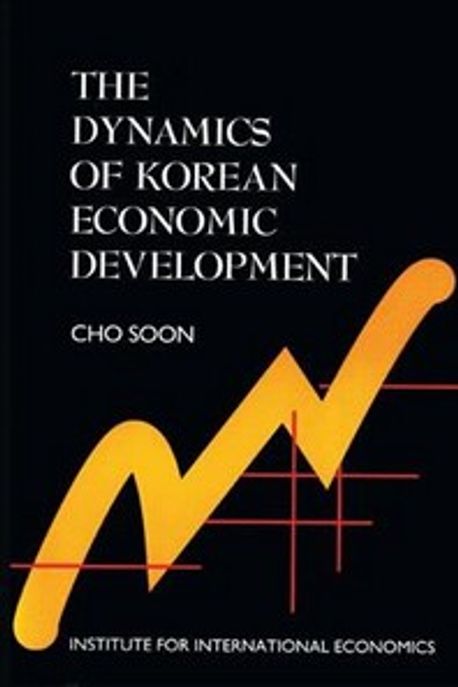
One of Korea's most distinguished economists and teachers offers a new and critical appraisal of his country's postwar development. Dr. Cho argues that Korea's development strategy since 1960 achieved extraordinary growth rates byt also contributed to structural imblances that, unless corrected, will impede Korea's entry into the ranks of advanced industrial countries. These structural problems include concentration of economic and political power in large industrial conglomerates, retarded development of small and medium-sized enterprises essential for entrepreneurship and technological innovation, an inadequate private financial services sector, and costly labor strife. Dr. Cho concludes that Korea must undretake a "Great transition" in order to sustain growth and democratization. He recommends policies to reduce industrial concentration, establish a competitive pricing system (particularly in the financial sector), promote small and medium-sized enterprises, improve labor-management relations, and encourage investment in human capital.