

소개
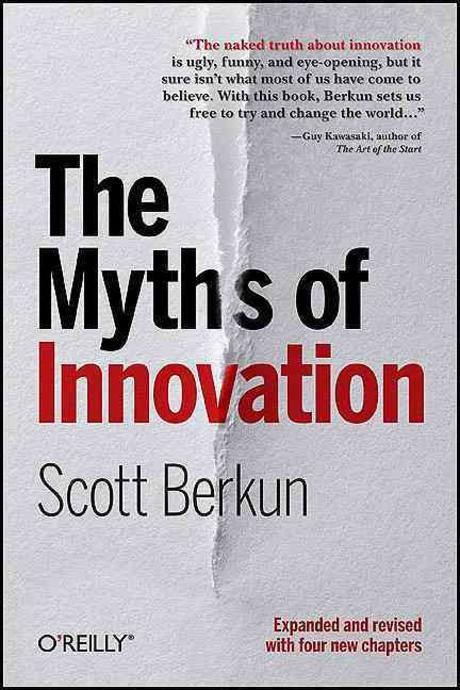
A look at the history of innovation, including the recent years of the software and Internet age, to reveal that what we know about innovation is wrong. The book helps readers understand how innovation really happened in the past, and how it happens today. Scott Berkun is the best selling author of The Art of Project Management, The Myths of Innovation, and Making Things Happen. His work as a writer and public speaker have appeared in the The Washington Post, The New York Times, Wired Magazine, Fast Company, Forbes Magazine, and other media. He has taught creative thinking at the University of Washington and has been a regular commentator on CNBC, MSNBC and National Public Radio. His many popular essays and entertaining lectures can be found for free on his blog at Scott Berkun. Scott Berkun was a manager at Microsoft from 1994-2003, on projects including v1-5 (not 6) of Internet Explorer. He is the author of three bestselling books, Making Things Happen, The Myths of Innovation and Confessions of a Public Speaker. He works full time as a writer and speaker, and his work has appeared in The New York Times, Forbes magazine, The Economist, The Washington Post, Wired magazine, National Public Radio and other media. He regularly contributes to Harvard Business and BusinessWeek, has taught creative thinking at the University of Washington, and has appeared as an innovation and management expert on MSNBC and on CNBC. He writes frequently on innovation and creative thinking at his surprisingly popular blog: scottberkun.com and tweets at @berkun. His ambition in life is to fill the above bookshelf, which is by his writing desk, with books he has written. If he were smarter, he'd have picked a smaller shelf. He's based in Seattle, WA, but speaks often all around the world speaking about creativity and other topics he's written about. If you'd like to hire him to speak at an event, head over here: www.scottberkun.com. You can watch videos of him in action and get in touch. How do we know if a hot new technology will succeed or fail? Most of us, even experts, get it wrong all the time. We depend more than we realize on wishful thinking and romanticized ideas of history. In the new paperback edition of this fascinating book, a book that has appeared on MSNBC, CNBC, Slashdot.org, Lifehacker.com and in The New York Times, bestselling author Scott Berkun pulls the best lessons from the history of innovation, including the recent software and web age, to reveal powerful and suprising truths about how ideas become successful innovations -- truths people can easily apply to the challenges of today. Through his entertaining and insightful explanations of the inherent patterns in how Einstein占쏙옙占? discovered E=mc2 or Tim Berner Lee占쏙옙占? developed the idea of the world wide web, you will see how to develop existing knowledge into new innovations.Each entertaining chapter centers on breaking apart a powerful myth, popular in the business world despite it's lack of substance. Through Berkun's extensive research into the truth about innovations in technology, business and science, you占쏙옙占?l learn lessons from the expensive failures and dramatic successes of innovations past, and understand how innovators achieved what they did -- and what you need to do to be an innovator yourself. You'll discover: Why problems are more important than solutions How the good innovation is the enemy of the great Why children are more creative than your co-workers Why epiphanies and breakthroughs always take time How all stories of innovations are distorted by the history effect How to overcome people占쏙옙占? resistance to new ideas Why the best idea doesn占쏙옙占? often winThe paperback edition includes four new chapters, focused on appling the lessons from the original book, and helping you develop your skills in creative thinking, pitching ideas, and staying motivated."For centuries before Google, MIT, and IDEO, modern hotbeds of innovation, we struggled to explain any kind of creation, from the universe itself to the multitudes of ideas around us. While we can make atomic bombs, and dry-clean silk ties, we still don占쏙옙占? have satisfying answers for simple questions like: Where do songs come from? Are there an infinite variety of possible kinds of cheese? How did Shakespeare and Stephen King invent so much, while we占쏙옙占?e satisfied watching sitcom reruns? Our popular answers have been unconvincing, enabling misleading, fantasy-laden myths to grow strong." -- Scott Berkun, from the text"Berkun sets us free to change the world." -- Guy Kawasaki, author of Art of the StartScott was a manager at Microsoft from 1994-2003, on projects including v1-5 (not 6) of Internet Explorer. He is the author of three bestselling books, Making Things Happen, The Myths of Innovation and Confessions of a Public Speaker. He works full time as a writer and speaker, and his work has appeared in The New York Times, Forbes magazine, The Economist, The Washington Post, Wired magazine, National Public Radio and other media. He regularly contributes to Harvard Business Review and Bloomberg Businessweek, has taught creative thinking at the University of Washington, and has appeared as an innovation and management expert on MSNBC and on CNBC. He writes frequently on innovation and creative thinking at his blog: scottberkun.com and tweets at @berkun. How do you know whether a hot technology will succeed or fail? Or where the next big idea will come from? The best answers come not from the popular myths we tell about innovation, but instead from time-tested truths that explain how we've made it this far. This book shows the way. In The Myths of Innovation, bestselling author Scott Berkun takes a careful look at innovation history, including the software and Internet Age, to reveal how ideas truly become successful innovations-truths that people can apply to today's challenges. Using dozens of examples from the history of technology, business, and the arts, you'll learn how to convert the knowledge you have into ideas that can change the world. In this new paperback edition of the classic bestseller, you'll be taken on a hilarious, fast-paced ride through the history of ideas. Author Scott Berkun will show you how to transcend the false stories that many business experts, scientists, and much of pop culture foolishly use to guide their thinking about how ideas change the world. With four new chapters on putting the ideas in the book to work, updated references and over 50 corrections and improvements, now is the time to get past the myths, and change the world. You'll have fun while you learn: Where ideas come from The true history of history Why most people don't like ideas How great managers make ideas thrive The importance of problem finding The simple plan (new for paperback) Since its initial publication, this classic bestseller has been discussed on NPR, MSNBC, CNBC, and at Yale University, MIT, Carnegie Mellon University, Microsoft, Apple, Intel, Google, Amazon.com, and other major media, corporations, and universities around the world. It has changed the way thousands of leaders and creators understand the world. Now in an updated and expanded paperback edition, it's a fantastic time to explore or rediscover this powerful view of the world of ideas. "Sets us free to try and change the world." --Guy Kawasaki, Author of Art of The Start "Small, simple, powerful: an innovative book about innovation." --Don Norman, author of Design of Everyday Things "Insightful, inspiring, evocative, and just plain fun to read. It's totally great." --John Seely Brown, Former Director, Xerox Palo Alto Research Center (PARC) "Methodically and entertainingly dismantling the cliches that surround the process of innovation." --Scott Rosenberg, author of Dreaming in Code; cofounder of Salon.com "Will inspire you to come up with breakthrough ideas of your own." --Alan Cooper, Father of Visual Basic and author of The Inmates are Running the Asylum "Brimming with insights and historical examples, Berkun's book not only debunks widely held myths about innovation, it also points the ways toward making your new ideas stick." --Tom Kelley, GM, IDEO; author of The Ten Faces of Innovation In this new paperback edition of the classic bestseller, you'll be taken on a hilarious, fast-paced ride through the history of ideas. Author Scott Berkun will show you how to transcend the false stories that many business experts, scientists, and much of pop culture foolishly use to guide their thinking about how ideas change the world. With four new chapters on putting the ideas in the book to work, updated references and over 50 corrections and improvements, now is the time to get past the myths, and change the world.You'll have fun while you learn: Where ideas come from The true history of history Why most people don't like ideas How great managers make ideas thrive The importance of problem finding The simple plan (new for paperback)Since its initial publication, this classic bestseller has been discussed on NPR, MSNBC, CNBC, and at Yale University, MIT, Carnegie Mellon University, Microsoft, Apple, Intel, Google, Amazon.com, and other major media, corporations, and universities around the world. It has changed the way thousands of leaders and creators understand the world. Now in an updated and expanded paperback edition, it's a fantastic time to explore or rediscover this powerful view of the world of ideas."Sets us free to try and change the world." --Guy Kawasaki, Author of Art of The Start"Small, simple, powerful: an innovative book about innovation." --Don Norman, author of Design of Everyday Things"Insightful, inspiring, evocative, and just plain fun to read. It's totally great." --John Seely Brown, Former Director, Xerox Palo Alto Research Center (PARC)"Methodically and entertainingly dismantling the cliches that surround the process of innovation." --Scott Rosenberg, author of Dreaming in Code; cofounder of Salon.com"Will inspire you to come up with breakthrough ideas of your own." --Alan Cooper, Father of Visual Basic and author of The Inmates are Running the Asylum"Brimming with insights and historical examples, Berkun's book not only debunks widely held myths about innovation, it also points the ways toward making your new ideas stick." --Tom Kelley, GM, IDEO; author of The Ten Faces of Innovation Since its initial publication, this classic bestseller has been discussed on NPR, MSNBC, CNBC, and at Yale University, MIT, Carnegie Mellon University, Microsoft, Apple, Intel, Google, Amazon.com, and other major media, corporations, and universities around the world. It has changed the way thousands of leaders and creators understand the world. The release of this paperback edition, updated and expanded with four new chapters, presents a fantastic opportunity to explore or rediscover this powerful view of the world of ideas. Book jacket.