

소개
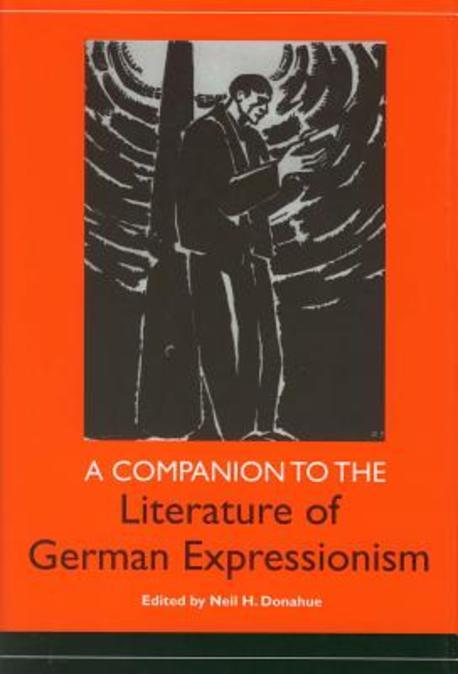
More than any other avant-garde movement, German Expressionism captures the revolutionary intensity of twentieth-century modernity in all its contrasts and conflicts. In continuous eruptions from 1905 to 1925, Expressionism upset reigning practices in the arts: in its most representative genre of painting and the visual arts, powerful figurations and dynamic abstractions supplanted placid realism, and a palette of vividly luminescent colors eclipsed subdued earth tones. In literature, the change was equally stark: a heady intellectualism combined with dramatic gesture, graphic visions, exuberant emotions and urgent proclamations - along with a new sense of the unexplored potency and potential of raw language - to forge forceful styles of verbal expression. Expressionism introduced into art, both visual and verbal, a shockingly new intensity with many facets and many faces.