



소개
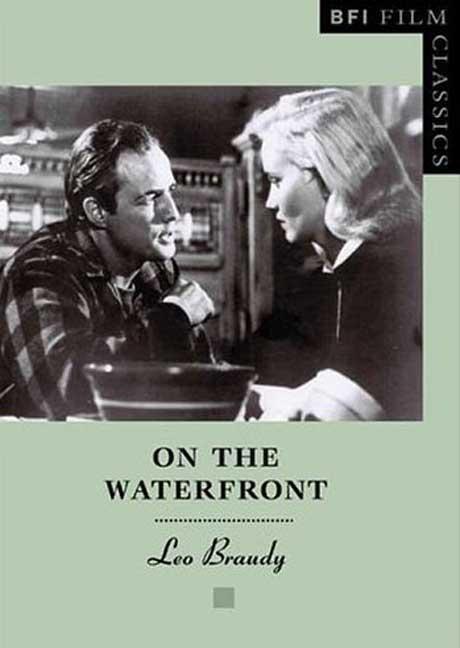
"I could have been a contender, I could have been somebody," says the haunted former boxer Terry Malloy (Marlon Brando) to his brother Charley (Rod Steiger) in a scene from On the Waterfront (Elia Kazan, 1954) that is among the most famous in all cinema. Set among unionized New York longshoremen, Kazan's film (from a screenplay by Budd Schulberg) recounts Terry's struggle against corruption and his ultimate, hard-won victory. The marvelous performances of Brando and Steiger (as well as Karl Malden and Lee J. Cobb), Boris Kaufman's photography, and Leonard Bernstein's score all justify the film's fame. But On the Waterfront is also notorious, regarded by many as an attempt at justifying the decision on the part of Kazan (and Schulberg) to name names before Joseph McCarthy's House Un-American Activities Committee. In this definitive study, Leo Braudy tells the complicated story of the film's production. He revisits the facts behind the controversy of Kazan's testimony, but above all he analyzes the elements that contribute to the film's enduring appeal: the method-inspired acting, the music and cinematography, the use of authentic locations, and its powerfully symbolic depiction of postwar American values. -FROM THE PUBLISHER