



소개
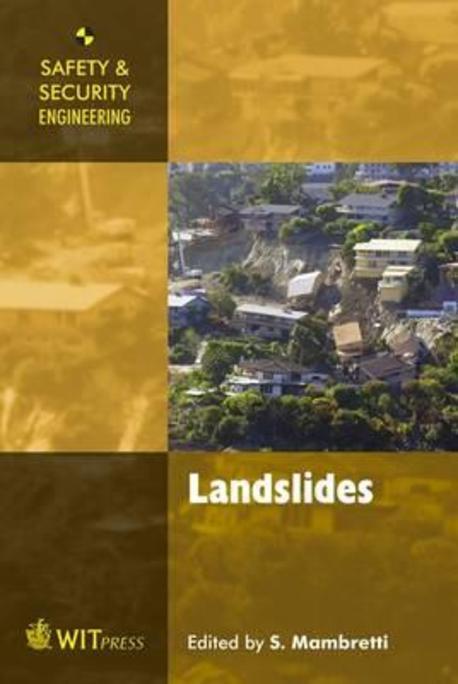
Examining topics related to landslides and debris flow, this text outlines our need for a greater understanding of these increasingly frequent phenomena. This volume is the second in the new Safety and Security Engineering series that is designed to provide a comprehensive view on risk mitigation. This volume is devoted to landslides and debris flow, addressing the need for a better understanding of these increasingly frequent phenomena. With better understanding comes a greater ability to manage the attendant risk. The present volume contains selected research papers presented at Wessex Institute of Technology Conferences. The book will be a valuable reference for professionals, scientists, and managers concerned with prediction and management of the risk of landslides and debris flows. This volume is the second of the Series the Publisher decided to launch to cover different aspects related to Safety and Security Engineering. The volume is devoted to landslides; this geological phenomenon includes a wide range of ground movement, such as rock falls, deep failure of slopes and shallow debris flows. Although the action of gravity is the primary driving force for a landslide to occur, there are other contributing factors affecting the original slope stability. Typically, pre-conditional factors build up specific sub-surface conditions that make the area/slope prone to failure, whereas the actual landslide often requires a trigger before being released. The phenomenon is of great importance as it represents some of the most destructive forces on earth. Therefore it is imperative to have a good understanding as to what causes them and how people can either help prevent them from occurring or simply avoid them when they do occur. Early predictions and warnings are essential for the reduction of property damage and loss of life. Sustainable land management and development is an essential key to reducing the negative impacts felt by landslides. The mentioned topics are covered in the present volume, and in particular: Risk assessment; Early Warning; Modelling; Planning; Mitigation; Case studies.