


소개
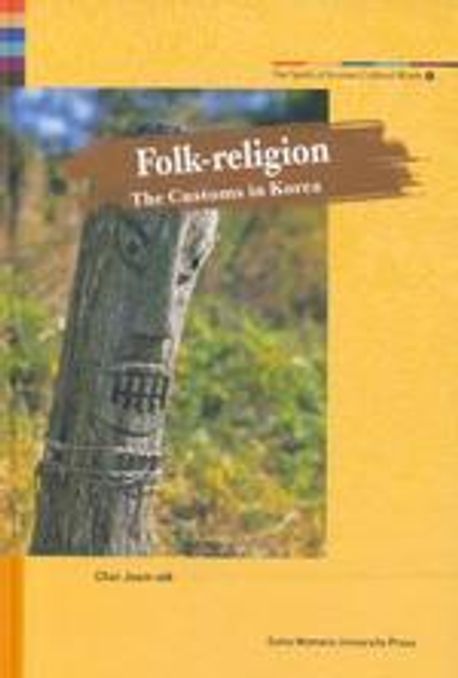
한국 문화의 근원을 탐색하고 그 특성을 파악하기 위한 일환으로 발간되는 '우리 문화의 뿌리를 찾아서(The Spirit of Korean Cultural Roots)' 시리즈 중 민간 신앙을 다룬 영문 도서이다. As in many other countries, there were once a great variety of folk-religions in Korea. As Korean society has undergone a high-speed phase of industrialization and Westernization in recent years, many of these traditional forms of folk-religion have largely disappeared and been forgotten. Yet there still remain a few that run strong in their form and content intact; exploring the nature and function of these remaining forms of traditional folk-religion is the subject of this book. This book is divided into three chapters, examining Mugyo(Korean Shamanism), household religions and village ceremonies, respectively. But throughout the book, we will not limit our interest to providing chronological accounts of them. Unlike other folklore textbooks that deal mainly with the history of folk-religions, this book focuses more on Korean folk-religions in the present form, i.e., how they have evolved, in what conditions they have been preserved, and most importantly, how they are practiced nowadays. To study folk-religions in their past form and shape is a valuable attempt. Equally important is to examine their present states, to determine what significance these old rituals and ceremonies have for contemporary society. 한국의 민간 신앙 가운데 민간 저변에 확산되어 있을 뿐만 아니라 그 중심을 이루고 있는 것은 무교(巫敎)이다. 유교가 이 땅에 들어와 정착하기 전까지는 한국의 민간 신앙은 무교가 거의 독점을 하다시피 한 것으로 보인다. 그러나 유교가 조선 후기에 정착되면서 유교는 무교와 역할 분담을 하면서 민간 신앙을 이끌게 된다. 무교와 더불어 한국 민간 신앙의 대종을 이루는 다른 신앙에는 제사로 대표되는 가(정) 신앙과 동제로 대표되는 마을 신앙이 있다. 이 신앙들은 유교와 무교의 이중적 혹은 중층적인 구조로 서로 얽혀 있다. 이 책에서는 세 장에 걸쳐서 무교와 가(家) 신앙, 마을 신앙에 대해서 살펴볼 수 있는데 다른 민속학 개론서처럼 설명이 과거에만 치우치는 것이 아니라 이 민간 신앙들이 현재에 어떻게 변형되어 있는지까지 다루고 있다는 점에서 주목할 만하다.