

소개
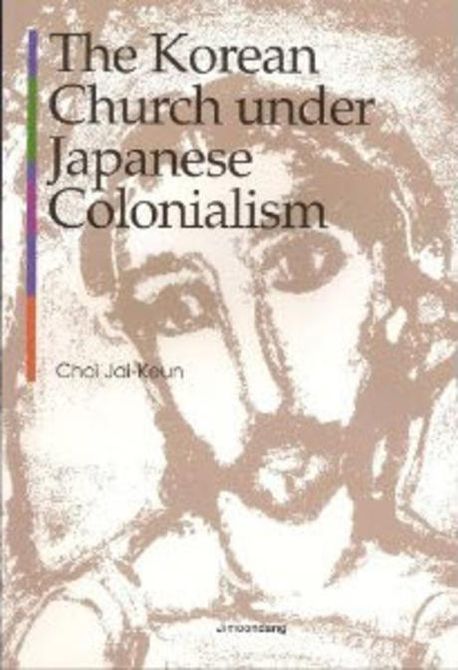
한말에서 일제 식민지시대에 걸쳐 한국교회가 국가적 역경 속에서 나타낸 대응양태와 그 성격을 규명한다. 특히 일제의 국권침탈에 대한 국가적 항일투쟁과 기독교 탄압에 대한 교회의 항일투쟁이 중첩되는 현상에 주목해 105인 사건, 3ㆍ1운동, 신사참배 강요 등에 기독교인들이 어떻게 대처했는지에 중점을 둔다. 일제는 기독교가 독립운동에 깊이 결부되는 것을 염려해 1911년 105인 사건이라 불리는 기독교 탄압에 나섰다. 일제는 데라우치 총독 암살음모 사건을 빙자하여 기독교인 600여 명을 체포해 혐의를 씌웠다. 3ㆍ1운동 때는 독립선언서에 서명한 민족대표 33인 중 16명이 기독교인이었다. 이 운동의 초기 기획ㆍ조직과 전국적 확산에 기독교의 역할이 컸다. 일제가 말기에 한민족 말살을 위한 황민화 정책의 일환으로 신사참배, 동방요배 등을 강요했을 때 기독교인들은 끝까지 저항했다. 민족의 고난에 동참하는 데 앞장선 한말과 일제하의 한국 기독교를 통해 오늘날 한국교회가 나아갈 방향을 모색한다. It deals with the relationship between the Korean Church and state under Japanese colonial rule. It explores the characters of the new Korean Church and its response to the adversity that their nation faced from the late Joseon dynasty to the Japanese colonial rule from 1910 to 1945. It focuses on how the Korean church copes with the Japanese conspiracy case in 1911 with the March First Independence Movement and the issue of Shinto Shrine worship. Christianity was introduced in Korea at the end of the 19th century. Japanese Imperialism soon followed. The Korean Protestant church was recognized as an independent organization, which is why the Japanese government targeted it and prosecuted 105 people. During the March First Independence Movement, 16 of the 33 national leaders were Christians. The Korean church participated to the March First Independence Movement throughout country, and it suffered the most damages. At the end of the 1930's, the Japanese government forced Koreans to worship the Shinto Shrine in an attempt to crush the Korean national spirit. It was some Christians to protest the Japanese Shinto nationalism. About 50Christians those who protested became martyrs. Korean Christians showed their beliefs to do the right thing for their country.