



소개
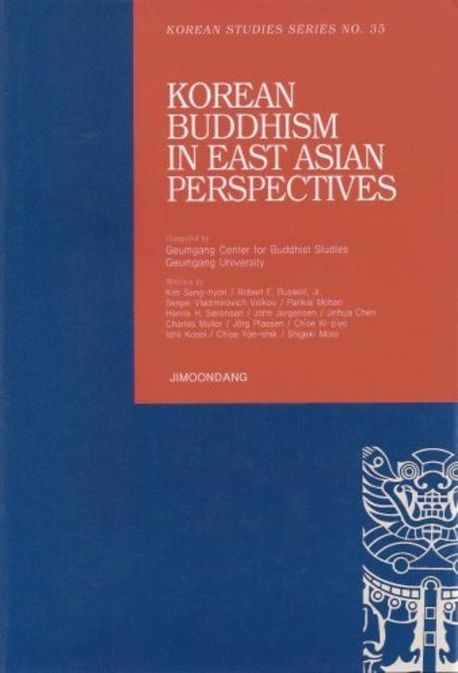
명백히 한국불교는 주변국가의 불교와는 성격이 다르므로 ‘한국불교’로 구분되어야 한다. 그러나 한국 학자들이 한국불교만의 구별 요소가 일찍부터 형성되었다고 보는 반면, 해외 학자들은 이러한 요소들이 사실 한국불교에만 독특하게 나타나는 것이 아니라 동아시아에 걸쳐 나타나는 불교의 보편적 특징의 일부일 뿐이라고 주장한다. 이들은 한국불교에 일본이나 중국의 불교와는 구별되는 요소가 나타나기 시작한 것은 사실 현대에 이르러서라고 계속해서 주장해 왔다. 이 책은 비평적인 목적으로 출판되었으며, 여기에 포함된 논문들은 대부분 금강불교연구센터 주최로 2004년 10월 한국에서 열린 한국 불교 국제회의에서 발표된 논문들을 기초로 하고 있다. 회의는 한국불교와 타국의 불교를 구별짓는 요소가 무엇인지에 대한 의문에 답해야 할 필요성에 의해, 그리고 한국불교와 동아시아 불교의 관계에 대한 학술적 분석과 관련된 주제에 접근하기 위해 탄생되었다. ***** ***** ***** Obviously, Korean Buddhism differs from its neighbors, hence its designation as “Korean Buddhism.” But while Korean scholars believe that its differentiating factors were established early, their overseas colleagues argue that those elements were, in fact, not unique to Korean Buddhism at all, but part of the universal features of the type of Buddhism that spread across East Asia. These researchers go on to claim that it was in fact in the modern period that Korean Buddhism began to show elements that would distinguish it from the Buddhism of Japan and China. The publication of this book was pursued with that critical goal in mind, and the discussions contained herein are largely based on research papers presented at an international conference on Korean Buddhism held in October 2004 in Korea under the sponsorship of the Geumgang Center for Buddhist Studies. The conference was born out of the need for answering the question of what distinguishes Korean Buddhism from its counterparts, and approaches the topic through scholarly analyses of the relationship between Korean Buddhism and East Asian Buddhism.