



소개
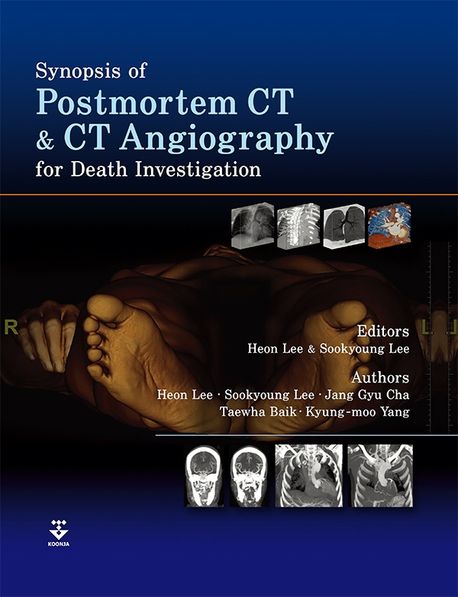
The idea for writing the book “Synopsis of Postmortem CT and CT Angiography for Death Investigation” originated from a sincere and longstanding collaboration between clinical radiologists at Soonchunhyang University Hospital Bucheon and forensic pathologists working for the National Forensic Service, Republic of Korea (NFS Korea). Over the past 10 years, they have been at the forefront of introducing and operating computed tomography (CT) systems in forensic and medicolegal death investigations in Korea. Their unique partnership helped them to implement a head-to-head comparison between imaging findings and autopsy results. This direct radiological-pathological comparison has provided excellent learning tools and opportunities for both radiologists and pathologists to address a wide variety of challenging forensic and medicolegal questions. We believe that this collaboration of expertise based on mutual understanding will continue to benefit forensic science for many years to come. Postmortem CT and CT angiography have gained increasing attention in the field of death investigation worldwide. These CT techniques are useful in screening for potential pathologies, guiding subsequent autopsy dissection to the target area, and identifying lesions that are difficult or impossible to detect during conventional autopsy dissection. This book introduces radiologists to emerging postmortem CT techniques while providing essential knowledge of typical postmortem body changes or artifacts to prevent misinterpretation of those findings as true pathologies. Additionally, this book provides forensic pathologists with a technical basis and interpretive fundamentals for the application of modern CT imaging technologies to their daily routine. In this book, particular focus has been placed on the pictorial depiction of representative cases that demonstrate the diagnostic utility of CT imaging in death investigations. These cases have been presented in a few relevant images using various reconstruction techniques to condense the corresponding diagnostic information in an intuitive manner. Furthermore, autopsy photographs and brief forensic explanations have been included in most cases, thus facilitating a comprehensive understanding of the utility of CT imaging by direct comparison between radiological and pathological findings.