


소개
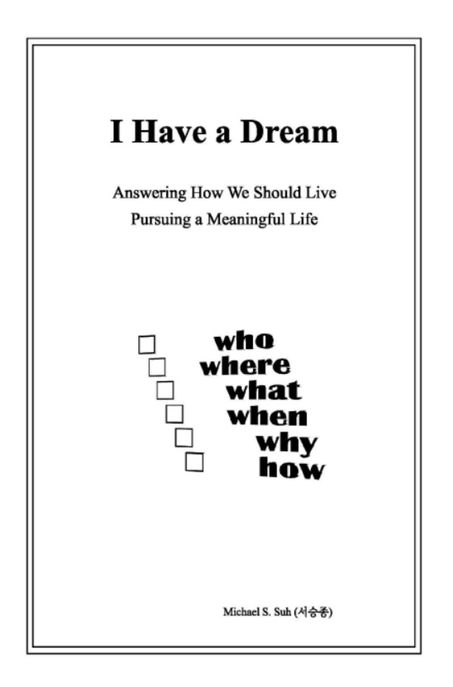
The question, “How should we live?” is a fundamental concern that every human being must confront in their journey of exploring the essence of life. Answering this question requires more than merely navigating daily routines; it necessitates deep contemplation about the ultimate purpose and direction of one’s life. Thus, this inquiry aims to define what constitutes a “meaningful life” and examine the essential elements required to achieve it. A meaningful life lies in discovering and realizing one’s personal values. Each life is unique, and setting one’s own values and goals is crucial. This process emerges from profound self-reflection on what one truly desires, independent of external expectations or societal standards. For instance, an artist finds meaning in expressing themselves through their work, a scientist in seeking truth, and an educator in teaching the next generation. Ultimately, finding one’s unique values serves as the starting point for a meaningful life. Equally important is practicing solidarity and contribution through relationships with others. As social beings, humans discover the meaning of life through their connections with others. This extends beyond maintaining close relationships with family or friends and includes actions that positively impact society. Volunteer work, sharing resources, or contributing to society through professional expertise can enrich one’s life. The empathy and solidarity gained through such interactions deepen one’s sense of life’s meaning. Additionally, a mindset that embraces continuous growth is essential. Humans develop through the ongoing processes of learning and self-improvement. This can involve exploring new knowledge, acquiring skills, or engaging in introspection. A meaningful life is not stagnant but is enriched through constant change and challenges. Failures and difficulties should also be embraced as part of the growth process, enabling a balance and harmony across various aspects of life. A “meaning