

소개
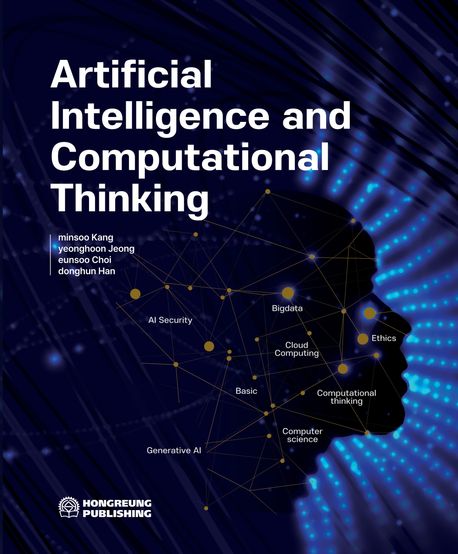
How This Book Is Organized This book is structured as a progressive journey across five thematic stages, each carefully built upon the one before it. Stage 1, Foundations of the Digital World, Chapters 1 to 3 The journey begins with the fundamentals. Readers explore how computers work, how software is designed, and how to write their first programs in Python. Even those who have never written a line of code will gain the confidence and vocabulary needed to move forward. Stage 2, Thinking and Managing Data, Chapters 4 to 6 This stage introduces computational thinking as a structured method of problem-solving, examines how data is organized in memory through data structures, and explores how databases, big data technologies, and the vector databases that power modern AI store information and generate value at scale. Stage 3, The Infrastructure of Intelligence, Chapters 7 to 10 This section introduces cloud computing, the foundation of today’s digital services, followed by a solid introduction to artificial intelligence and machine learning. Readers trace the history and principles of how machines learn and apply CRISP-DM, the standard data analysis framework widely used across industries around the world. Stage 4, Working with Generative AI, Chapters 11 to 12 At this stage, the book engages directly with the technologies drawing the greatest attention today. Readers explore the transformer architecture behind systems such as ChatGPT, understand how autonomous AI agents operate, and learn the seven core principles of prompt engineering, the skill of communicating with AI to obtain useful, accurate, and creative results. Stage 5, Responsible Digital Citizenship, Chapters 13 to 14 Technology does not exist in isolation. The final section examines the security landscape of an AI-powered world, including Zero Trust architectures and emerging cyber threats, and then turns to the ethical questions raised by AI, such as algorithmic bias, data privacy, the future of work, and the responsibilities of those who design and use intelligent systems.