



소개
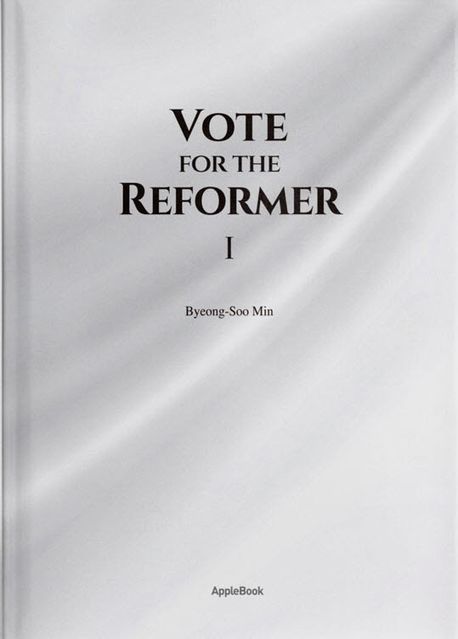
역사의 어느 한 부문도 위중하지 않은 시기는 없었지만, 21세기의 중반 30년(2025-55)은 미래세대가 혁명적인 변화 (기후, 인구, 에너지, 4차 산업혁명, 식량, 양극화, 몰이성(沒理性), 연금, 의료, 복지, 안보 등) 가운데 안전하고 안정된 (safe and secure) 생활을 지속적으로 영위할 수 있는지 여부가 결정되는 중요한 시기로 생각합니다. 첫째, 개인은 생존 경쟁력을 높여야 합니다. 방법은 혁명적 변화의 상황에 상응한 대한 대응(Challenge & Counter-challenge) 으로서 인문학적인 지식, 즉, 역사, 문화, 사회, 경제에 대한 이해를 바탕으로 습관에서 벗어난 변화 및 과감한 실행이 핵심이며, 안일하고 소극적이며 후행적인 태도는 금물입니다. 둘째, 사회는 지속 가능성을 위한 개혁을 해야 합니다. 이유는 구조적인 문제는 구조적인 개혁으로 해결을 할 수 있기 때문입니다. 역사상 모든 개혁은 저항과 반발이 있었습니다, 개혁의 성패는 저항과 반발을 평화적 또는 억압적인 방법으로 극복하는지 여부에 따라 결정되었습니다, 민주사회에서 투표를 통해 개혁가를 선출하는 것이 타당하다고 보았습니다. 이러한 개인과 사회의 개혁을 위해서 역사로부터 통찰을 얻고자 하였습니다, 역사는 상호 연결된 인과관계(Interlocked causality)를 따라 과거는 현실을 거쳐 미래로 전개된다고 생각하므로 이들은 서로 분리될 수 없습니다. 역사의 전개과정에서 시대와 장소가 다르더라도 인간 본성에서 나오는 역동적 동인(動因)은 본질적으로 동일하다고 생각하기 때문입니다. 구체적으로 역사를 15세기를 분기점으로 그 이전과 이후로 구분을 하였습니다. 중세까지의 세계는 현대인이 생각하는 것 보다 훨씬 더 폭 넓은 국제적인 교류, 전쟁과 질병의 전파가 빈번하였고 재난과 억압 속에서도 적응과 회복, 개혁을 위한 용기와 저항이 있었고, 이 시기가 현재와 결코 무관하지 않다는 것입니다. 특히 12세기 이후 연속적으로 국제적 사건들이 발생을 하였습니다. 즉, 십자군 전쟁(1095-1229), Pax-Mongolica (13세기-14세기 몽골제국 주도의 세계질서의 재편 및 유지), 흑사병(14세기 중반), 비자틴제국의 멸망(15세기 중반), 아랍제국의 이베리아(스페인) 반도 철수(15세기 중반) 및 신대륙의 발견 (15세기 후반)등으로 유라시아 및 아메리카 대륙의 국제화가 진행이 되었으며, 이것들이 그 이후의 세계역사 흐름의 단초가 되었습니다. 적자생존을 개념화한 Social Darwinism이 식민지 지배와 제국주의(Imperialism), 인종 차별주의(Racism)와 결합하여 서구 우월현상(Western Supremacy)이 WW II 이전까지 세계를 지배하였고, 이러한 상호 갈등관계가 20세기의 WW II와 냉전체제의 토대가 되었음을 언급하였습니다. 4차 산업혁명이 지배하는 21세기의 급변하는 사회 현상을 10개의 현안(Ten Critical Issues)으로 정리하였습니다. 구체적으로 5개(기후, 기술, 에너지, 경제, 공유경제)의 세계적 요소와 5개(인구위기, 도시화, 인구이동, 지속성, 중산층의 역할)의 국가적 요소를 구분하였습니다. 이념과 사상에 매몰되어 합리적 사고와 이성적 판단이 마비되고 국가와 사회의 도덕적 기강과 규범이 해이해지는 현실속에서 Young adults들이 분별없이 휩쓸리지 않도록 균형된 도덕적 판단 (Balanced moral judgment)의 기준을 제시하였습니다. 죽은 생선은 머리부터 부패하는 현상에 빗대어 지도자의 개혁 성향과 개혁 의지의 중요성을 언급하였습니다. 또한 Young adults 들이 살아갈 향후 30년(2025-2055)의 지속 가능성(Sustainability)을 유지하기 위해 “무엇을 어떻게 해야 하는가?”의 질문에 대한 답안으로서, 가) “Case C”의 방향성과 ”Be Yourself”와 “Do Yourself”의 행동 방안을 제안하였고 나) 오직 개혁만이 지속가능성을 달성하게 하므로 미래세대의 안정되고 안전한 삶을 지속하기 위해 비난과 저항을 무릅쓰고 개혁을 추진하는 지도자를, 정치적 또는 이념적인 성향과 관계없이 후원하는 “Vote for the Reformer”를 결론으로 제시하였습니다. Introduction to the book, “Vote for the Reformer” There has never been a time when none of the sectors in history have been critical, but I think the mid-21st century (2025-55) is an important time when it determines whether future generations can continue to lead safe and secure lives among revolutionary changes such as climate, population, energy, the Fourth Industrial Revolution, food, polarization, immobility, pensions, health care, welfare, and national security. First, individuals need to be more competitive for survival. The method is to undertake challenges and counter challenges, which are based on humanities knowledge, namely understanding history, culture, society, and economy. Bold implementation out of habit is essential, and complacent, passive, and retroactive attitudes should not be allowed. Second, society must reform for sustainability because structural reforms can solve structural problems. All reforms in history have been challenged by repulsion or distaste, and the success or failure of reforms was determined by whether resistances were overcome peacefully or repressively. In a democratic society, I saw it as reasonable to elect reformers through voting. I ventured to gain insight from history for this reform of individuals and society. History believes that the past develops through reality and into the future along an interconnected causality, so they cannot be separated from each other. This is because I think that even if the times and places are different in the course of the development of history, the dynamic 因 that come from human nature are essentially the same. Specifically, history was divided into before and after the 15th century as a turning point. Until the Middle Ages, the world had a much wider range of international exchanges, wars and diseases than modern people thought, and there was courage for adaptation, recovery, and reform amid disasters and repression, and this period was never irrelevant to the present. International events occurred on a series of occasions, especially after the 12th century. Namely, the Crusades (1095-1229), Pax-Mongolica (reorganizing and maintaining the world order led by the Mongol Empire in the 13th and 14th centuries), the Black Death (mid-14th centuries), the collapse of the Byzantine Empire (mid-15th century), the withdrawal of the Iberian Peninsula (mid-15th century) by the Arab Empire, and the discovery of the New World (late 15th century) led to the internationalization of Eurasia and the Americas, which became the starting point for the subsequent trend of world history. Social Darwinism, which conceptualized survival of the fittest, combined with colonial rule, imperialism, and racism, is indicated that Western Supremacy ruled the world before WW II, and that these relationships of conflict became the foundation of WW II and the Cold War regime of the 20th century. The rapidly changing social phenomena of the 21st century dominated by the Fourth Industrial Revolution are summarized into the Ten Critical Issues. Specifically, the global factors of five (climate, technology, energy, economy, and sharing economy) and the national factors of five (population crisis, urbanization, population movement, sustainability, and the role of the middle class) were specified. In a reality where rational thinking and judgment are paralyzed by the bias of ideology, and moral discipline and norms of the state and society are lax, meanwhile, a balanced moral judgment is presented so that young adults would not be swept away without any sense. The dead fish decay from their head. It refers to the leader's propensity for reform and willingness to reform. In addition, as an answer to the question "What and how should we do it?" to maintain the sustainability of the next 30 years (2025-2055) for young adults, A) The direction of "Case C" and the action plans of "Be Yourself" and "Do Yourself" were proposed B) In conclusion, I suggested supporting a leader who propels reforms to make the future generations continue to live secure and safe lives despite repulsion or sabotage i.e. the way of "Vote for the Reformer" is suggested regardless of political or ideological propensity because reforms only make the future sustainable.